In the competitive landscape of today, it becomes important to provide customers seamless and personalized experiences wherever they are – shopping online or via a mobile app, or when physically walking through a store. How data-driven marketing and omnichannel experience converges here. By incorporating such tactics, companies are able to provide smoother and more individualized experiences that create strong customer connections and lead to increased sales.
In this article, we will examine the principles of omnichannel marketing and what makes data-driven marketing a critical supporting mechanism for these strategies—enabling them to help you form that all-important personal bond with your customers.
What is Omnichannel Market?
The Meaning of Omnichannel Marketing
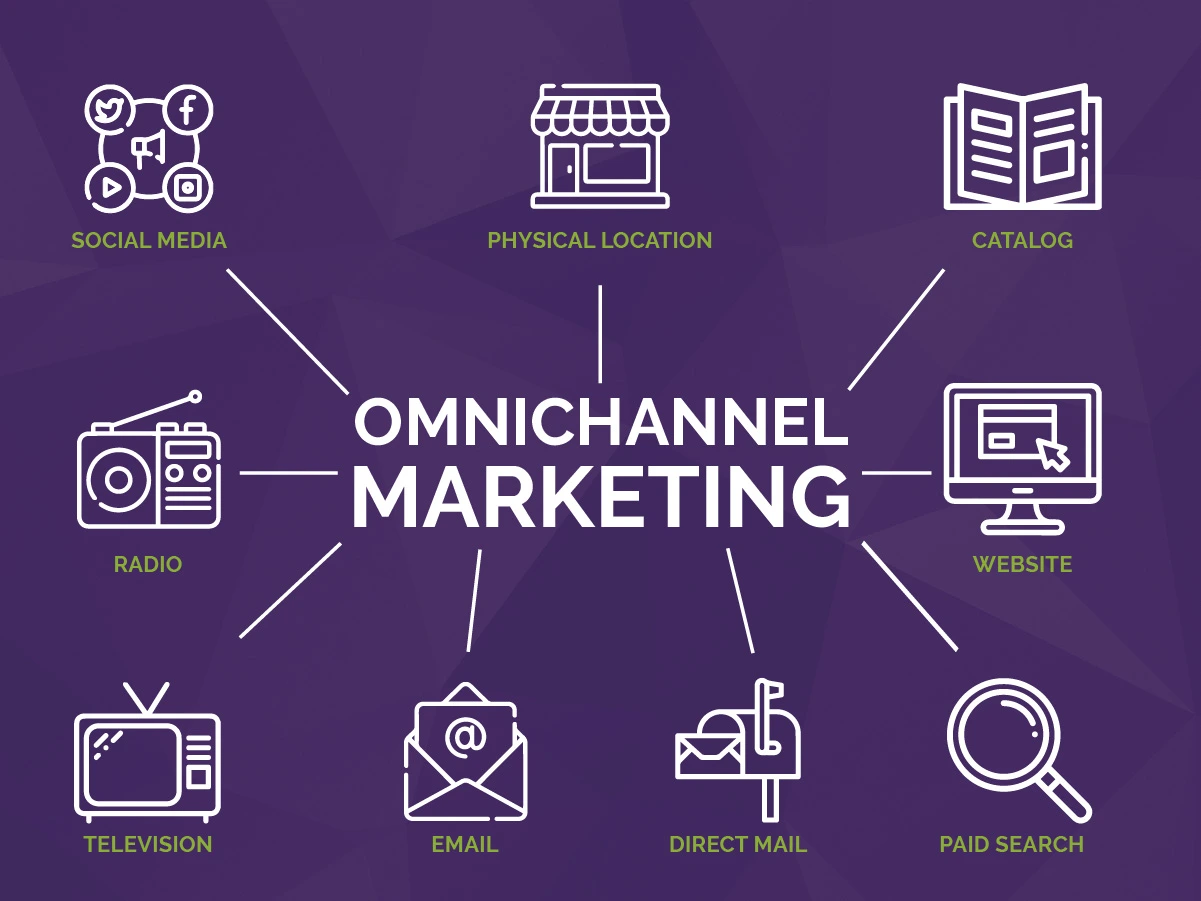
In a definition of omnichannel experience, it’s the process that provides customers with an integrated and consistent experience across the board. Unlike multichannel marketing where you are using many channels to speak with your customers but often in silos, omnichannel marketing means that the message and experience – and in cases where appropriate, branding – is consistent across all channels.
For instance, a shopper may begin on a mobile app and continue to shop on desktop, before finally making a purchase in-store. An omnichannel strategy links each of the touch points, and therefore allows for a consistent end to end customer experience.
Why Omnichannel Experience Matters
- Omni-Channel Consistency: Your customers expect to be able to interact with you when and how it suits them, on the device or channel of their choice. That everything they do online or in store is consistent across web, mobile, social media.
- Enhanced Customer Retention: Customers who have enjoyed a frictionless process from beginning to end, are more likely to come back and purchase again.
- Increased Brand Loyalty: Building trust with uniform, personalized experiences will lead to brand loyalty.
What is Data-Driven Marketing?
Understanding Data-Driven Marketing
Data driven marketing refers to the strategy of using customer information and insights in intelligent ways. Data can be used by marketers to develop and deliver personalized, more relevant experiences to their audience while also informing better decisions on where marketing initiatives should be directed.
Sources from which data can be gathered include:
- Customer Activity: Web visits, purchase behavior, mobile app usage, social media posts.
- Transactional Data: Details such as past purchases, purchase frequency, and average order value.
- Demographic Information: Age, location, interests, and any other information with the user’s consent.
Why Data-Driven Marketing is Essential
- Personalized Approach: By harnessing customer data, brands can personalize their marketing messages to suit the particular tastes and behaviors of individual customers – all designed to increase that customer’s likelihood of engaging with relevant content, promotions or product recommendations.
- Better ROI: With data, companies can find the most efficient marketing approaches and channels — which means that they can place their bets more strategically and get more back from their investments.
- Strong Decision Making: Armed with data, marketers have everything they need to do their jobs — reducing guesswork and increasing the effectiveness of their campaigns through real-time feedback.
How Omnichannel Marketing and Data-Driven Marketing Intersect
Creating a Seamless Customer Journey
The secret to success in both data-driven and omnichannel marketing is integration. Blending data with omnichannel, brands can deliver that seamless experience, that feels connected and personal creating true relevance to the customer whenever they are on their path.
Or for instance, when a user leaves a cart on a mobile app, data-driven marketing can allow you to send them an email that is targeted containing personalized offer. If the customer goes on to interact with a brand on social media, for example, it is able to recommend offers or suggest products personalized to their online behavior – delivering personalized experiences across all channels.
Personalized Content Across Touchpoints
Through marketing that is data-driven, brands can gain intelligence about consumers and customize content to fit the delivery channel. For instance, email campaigns can leverage customer information to deliver personalized offers depending on historic purchases and social media posts can be aimed at users according to browsing habits.
With data-driven personalization on every channel, brands can serve the most appropriate content at the best times to optimize engagement and conversion. This entails serving the content, product recommendations and promotions that best match each customer’s individual preferences, tastes and behaviors.
Advantages of Omnichannel Marketing & Data-Driven Marketing
Enhanced Customer Engagement
- Seamless Experiences: Consumers value experiences that are seamless. Whether they’re engaged with a brand on social media, a website or in-store, omnichannel marketing ensures those interactions are linked, resulting in increased engagement and satisfaction.
- Multiple Customer Touch Points: With marketing that’s customized by use of customer data brands have a number of opportunities to interact with their customers — email, social media, mobile apps and in-store experience – to be front-of-mind.
Higher Conversion Rates
- Customized Marketing: Targeted marketing with tailored messages – relying on data analysis – can improve conversion rates from customers. For instance, a customer who visited a product on the web could be more likely to purchase it if they receive a tailored ad or follow-up email offering a discount.
- Cross-Channel Promotions: When it comes to promoting across omnichannel, brands can easily re-target customers exposed to one channel on the others so that they’re nurtured through the sales funnel. For example, a person who puts an item in their cart on mobile can be retargeted with reminders or offers on desktop or email.
Improved Customer Loyalty
- Establishing Trust and Satisfaction: Through consistent personal experiences at all touchpoints, customers will learn to entrust you. Through data-backed in sights, brands can preempt their customers needs and provide contextually relevant solutions which eventually lead to long term relations.
- Personalized Rewards: Brands could offer personalized loyalty programs or personalization-based rewards based on the needs and preferences of customers to secure repeat purchases.
More Informed Marketing Decisions
- Continual Data: Unlike traditional forms of advertising, data-driven marketing allows owners to watch customer behaviors in real time, enabling campaigns to be adapted on the fly. By reviewing campaign effectiveness across channels, marketers can attempt to perfect marketing efforts for greatest impact.
- Optimization of Campaigns: The tracking and analysis of customer interactions allows the users to adjust their marketing campaign, and make it more effective according to the customer needs.
How to Execute Omnichannel Marketing & Data-Driven Marketing
Understand Your Customer Journey
A great omnichannel experience starts before the customer. Chart how customers engage with your brand through various touchpoints, ranging from online browsing to in-store buying. This perspective will allow you to build a more connected and seamless experience through every channel.
Leverage Customer Data Effectively
Deploy robust Customer Relationship Management (CRM) system to collect and analyze data from all touchpoints. Leverage this data to segment your audience, personalize marketing programs and measure engagement across touchpoints. And the more data you have, the better you can optimize for every customer interaction.
Integrate Your Channels:
Ensure your online and offline channels are in harmony. Such as, letting them buy online and pick up in-store or keeping track of a customer service rep’s inquiry via the phone, live chat and social media. Be sure to keep your marketing message constant across all digital channels – website content, social media and email campaigns.
Use Automation and Analytics
Personalized content at scale across multiple channels can be easily achieved with the help of automation tools. Further, leverage analytics to monitor your omnichannel and data-driven campaigns, making adjustments in response to real-time information.
Conclusion: Omnichannel Experience & Data-Driven Marketing is the Future of Customer Engagement
In the current digital landscape, where we expect convenience and personalization at every turn, an omnichannel experience and data-driven marketing isn’t just the goal — it’s necessary for surviving in a highly competitive market. When combined in these ways, companies can build personalized, frictionless experiences leading customers down their unique paths across any number of touchpoints and channels all while increasing conversions, loyalty, and growth over time.
Brands that are able to excel at both omnichannel promotion and data-driven operations will be primed to create differentiation in a competitive marketplace, and develop meaningful, ongoing relationships with their customers.