Consumers today are bombarded with ads and marketing messages in the digital age. Generic approaches no longer cut it — people assume that the experiences they have feel made for them. That’s why AI-powered marketing with real‑time personalization is the silver bullet. Using AI, brands are now able to provide personal content, offers and experiences at the moment that matters.
AI personalization is more than a nice-to-have. It’s fast on its way to being a must for any brand that wants to foster engagement, loyalty and consistently strong conversion rates.
How AI Enables Real-Time Personalization
What is AI-Powered Personalization?
AI-driven personalization involves leveraging machine learning, data science and real-time decision engines to personalize marketing messages and content for individuals. Instead of the age-old “one message fits all,” AI enables brands to respond to each user’s behavior, preferences and context — from browsing history and purchase behavior to time of day or device type.
The Mechanics Behind It
- Data Collection: I technology aggregates data across all channels: website interactions, email replies, purchasing history, social media contacts and so on.
- Behavioral & Predictive Analysis: With the help of machine learning and predictive analytics, Artificial Intelligence can predict patterns and guess what a user would want or respond to next.
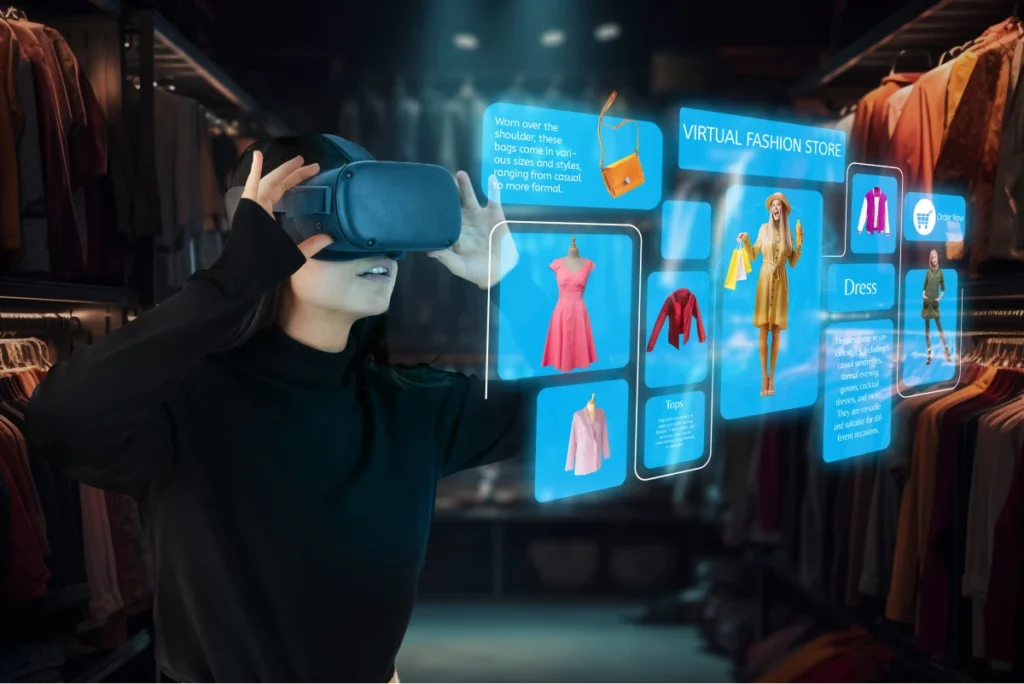
- Real-Time Content Delivery: The system delivers messages, product recommendations or content instantly on real-time signals. That might mean displaying different website banners, product recommendations or email subject lines depending on who’s seeing them.
- Iterative Optimization: Every single behavior (whether that be clicks, purchases or time spent) informs the AI model, which then continues to better personalize and target future interactions over time.
The Payoff: Why Brands Should Care
Higher Engagement & Conversion Rates
Customers have a higher propensity to engage with “content that is crafted specifically for them.” AI-powered personalization can deliver significantly higher engagement levels, increased dwell time on site, and enhanced conversion rates for brands.
There are other claims that AI-enabling recommendations can lift revenues by 10–30% with higher quality up-selling and cross-selling.
Cost Efficiency & Better ROI
Rather than burn money casting messages out to everyone, AI allows brands to spend smarter — on only those who are most likely to engage or convert. This minimizes wasted ad spend and, in turn, lowers customer acquisition costs.
Scalability of Personalized Marketing
What used to be several pieces of manual targeting and content permutations can now easily flow through automation at scale. Whether a brand has 100 or 100 million users, AI can create experiences for everyone on an individual level and without putting an undue burden on marketing teams.
Increased Customer Loyalty & Lifetime Value
Customized experiences allow for more meaningful relationships. Customers who feel understood and appreciated will also come back, driving customer retention and overall lifetime value.
Challenges & What to Watch For
Privacy & Data Ethics
Don’t behave in a nefarious or careless way with personal data you collect and use. Brands need to be transparent, gain consent, and protect data.
Complexity Of Implementation
Real-time data streams, predictive models, and mass personalization engines are not baby steps to undertake without technical and strategic expertise.
Finding a Balance of Automation & Human Touch
While artificial intelligence can power personalization, being over-automated has the potential to make interactions feel sterile or robotic. The highest use of AI is not to replace — but to augment — human creativity and empathy.
The Future of Personalization: Trends in AI-Based Technologies
Hyper-Personalization and Dynamic Experiences
Not a static segment but something that adapts in real-time to the context of the user (where they are, what they’re doing, when it is). You can deliver the ‘right offer, right time, right place’ for brands.
Predictive Marketing & Forecasting Advanced
AI will become more and more instant, predicting our needs even when we don’t know them ourselves, to help brands anticipate demand or optimize inventory or launch timely campaigns.
Omnichannel Touch-Point Integration
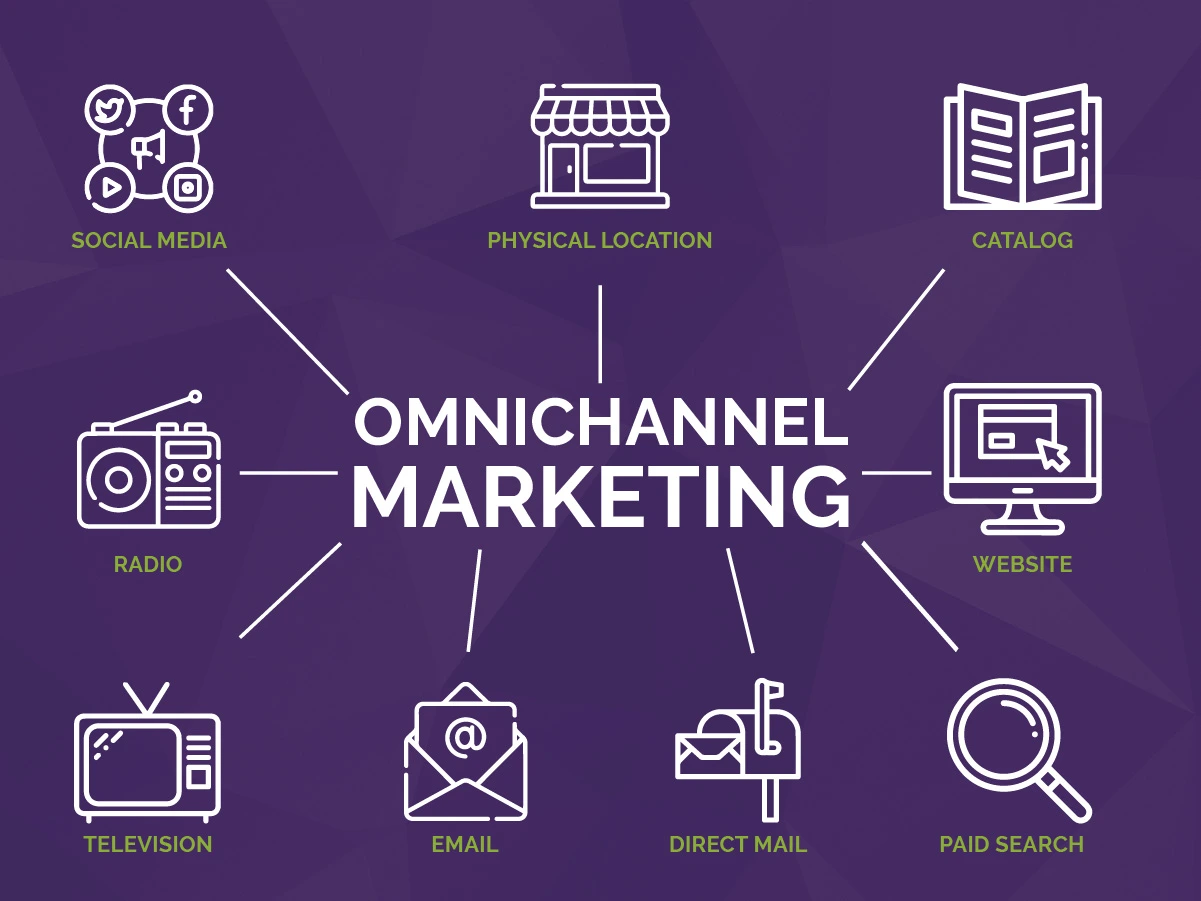
Personalization will not be bound by email or website, but instead, AI will harmonize experiences across social media, mobile, web and even offline channels to create a homogeneous customer journey.
Ethical & Transparent AI Usage
As consumers become more conscious and apprehensive of data abuse, brands which focus on transparency and consent are set to gain the most trust and loyalty.
Bottom Line: The Center of Your Marketing Strategy Should Be AI-Powered Personalization
By the time 2026 rolls around, if you want to remain competitive — particularly for savvy audiences like those in the U.S. — employing real-time personalization using AI is not a nice-to-have but a must-have. It’s quickly becoming the new norm for marketing that is effective and scalable. Deliver higher engagement, better conversions and smarter ROI with brands Build more 1:1 relationships with your clients – more efficiently — at scale.
Of course, doing it right also means deploying cutting-edge AI alongside thoughtful strategy, respect for privacy and a human touch. But when it’s executed well, the payoff can be huge.