The world of marketing is changing — immersive marketing such as Augmented Reality (AR), Virtual Reality (VR), interactive campaigns, et al. — are at the forefront. These technologies are not some passing phase; they’re changing the way brands interact with consumers, giving them exciting, memorable experiences that transcend the dated ad banner.
In this post, we take a look at how AR, VR and interactive campaigns are redefining the future of marketing — providing brands with unique prospects for engaging audiences in fresh, immersive ways.
What is Immersive Tech Marketing?
Immersive Marketing Explained
Merging VR, AR and interactive campaigns, immersive tech marketing is the hottest thing since flying cars. It’s these types of experiences that allow customers to engage with products, services or environments in new ways which traditional marketing tools can’t replicate.
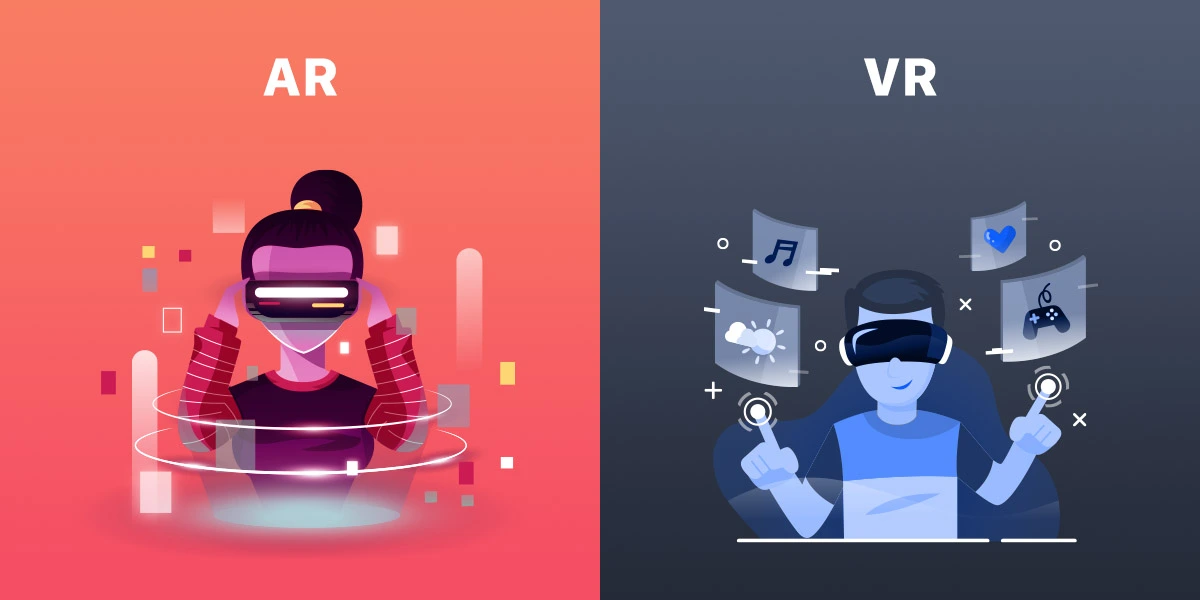
- Augmented Reality (AR): In the realm of AR, digital content is superimposed onto the physical world, merging these two worlds together. For instance, AR provides consumers with the capability to visualize as if a piece of furniture were in their home using a phone and view product details through the camera on their device.
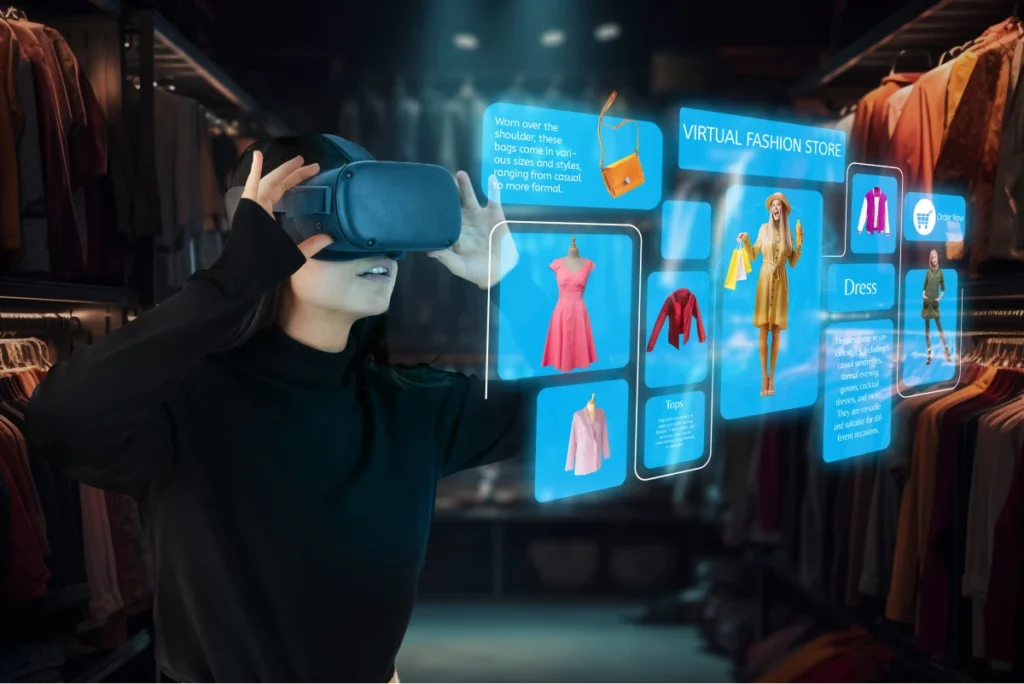
- Virtual Reality (VR): VR generates totally immersive virtual worlds that can be navigated with headsets designed for the purpose. For instance, VR could enable customers to take virtual tours of homes or try on clothes in an entirely digital realm.
- Interactive Campaigns: These campaigns actively involve the audience, such as through games, polls, live streams, and product configurators, enhancing engagement and making the experience more dynamic.
These technologies can help brands deliver more personalized, interesting, and immersive experiences that in turn drive greater engagement, increased brand loyalty and of course more conversions.
How AR and VR are revolutionizing marketing
Augmented Reality (AR) Marketing
We’re changing the way brands interact with customers by adding digital interactivity to their environment. Here are ways in which brands can capitalize on AR:
- Try Before You Buy: AR-enabled consumers can try products before buying them. Beauty brands, as well as Sephora and L’Oréal, have incorporated AR into their apps to enable users to virtually try on makeup; and furniture companies like IKEA use the technology to illustrate how an item will look in a customer’s space before they purchase.
- Interactive Packaging: Brands have begun implementing AR on packaging which brings the products to life when consumers scan them and can be treated to an interactive experience or more information. And that additional layer of interaction is more than traditional packaging can say.
- Location-Based AR: A few companies engage the AR technology itself in physical locations to delight their customers. Starbucks, for its part, already uses AR to provide added value to the in-store experience with personalized content offered through the mobile app.
Virtual Reality (VR) Marketing
Virtual reality takes your immersion to a whole different level with 100% virtual environments. Here is what VR is being used for in marketing:
- Product Demonstrations: Competing brands can now provide engaging product demonstrations in a virtual reality experience. For example, Toyota has experimented with VR to let prospective buyers virtually test-drive a car before they even visit a dealership.
- Virtual Showrooms: Using VR, brands can set up virtual showrooms where customers enter and interact with products as if they were actually in the showroom physically. And in fashion, brands such as Gucci and Tommy Hilfiger have used VR for runway shows and 3D shopping sites.
- Virtual Tours and Experiences: VR has been useful in fields like real estate, tourism, and education, where companies provide virtual tours. For instance, Marriott Hotels is using VR to offer potential customers virtual travel experiences before they commit to booking a stay.
The Importance of AR & VR for Marketing
Both AR and VR offer something unique in the way brands interact with customers. They do more than entertain; they enable customers to experience products in a way that is tangible and personalized. They also facilitate emotional connections, which are necessary for establishing lifetime brand relationships. The customers who were subject to a brand that gave them an immersive experience are far more likely to remember the company, which results in higher recall and trust.
Engagement: Getting to Know Your Customer Better
What Are Interactive Campaigns?
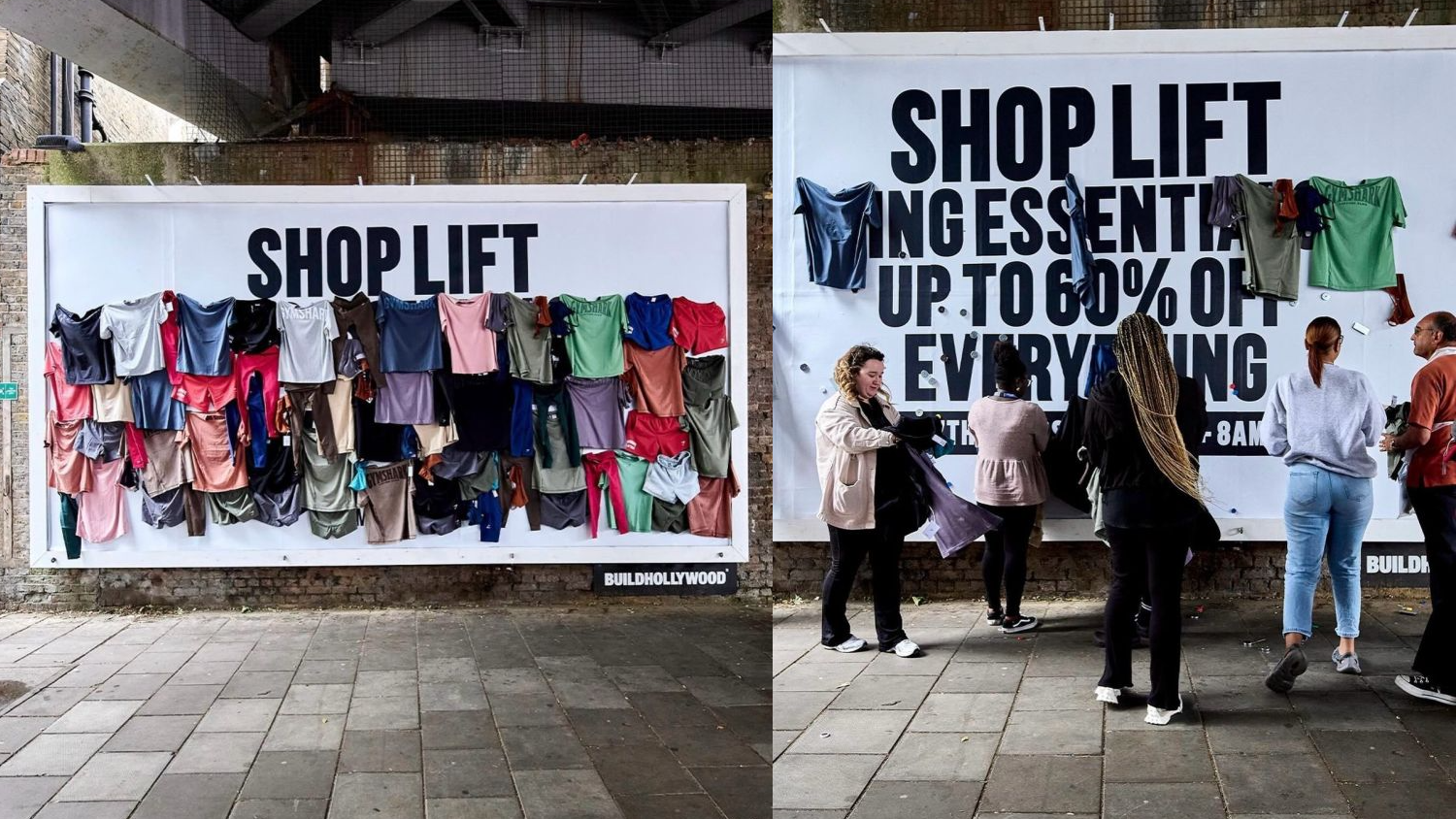
Interactive campaigns are those that urge consumers to participate in the market process by being active rather than passive recipients of marketing content. Invitationalization also involves audience participation, such as polling, quizzes, games etc. to make the campaign more experiential.
Here is how interactive advertising is changing marketing:
- Social Media Engagements: Brands are employing interactive polls, quizzes and live Q&A sessions on social platforms such as Instagram, Facebook and TikTok to interact with consumers directly. This increases the engagement and community feeling, while brands gain valuable feedback from their audience.
- Gamification: Numerous brands have gamified their campaigns, providing rewards, challenges or competitions to keep customers entertained. For instance, Nike gamified their app: the Nike Training Club app that encouraged users to earn rewards and challenge friends while doing exercises.
- Shoppable Posts & Live Shopping: As social commerce continues its meteoric rise, brands are looking to newer more interactive campaigns such as shoppable Instagram posts or live shopping events, where users can buy products directly within the social platform while interacting with a live streamed event.
Why Interactive Campaigns Matter
Interactive campaigns are effective because they help the customer feel like a part of the brand’s narrative. By empowering consumers to shape the content they consume or win something, brands have an opportunity create ownership and participation. The result is greater engagement, stronger loyalty and richer consumer data.
Is Immersive Marketing Good for Business?
Enhanced Customer Engagement
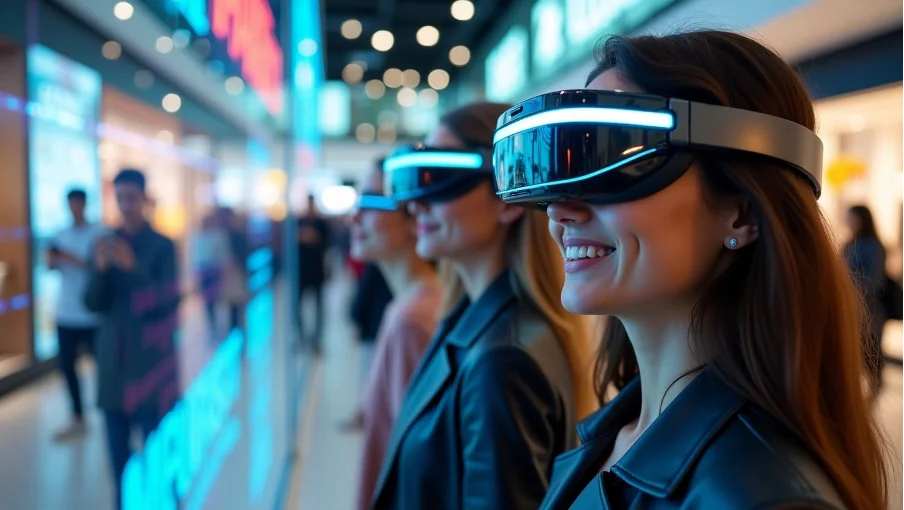
Engaging marketing seeks to craft experiences that hold customer attention. Whether it’s through AR, VR, or interactive advertisements, brands can design experiences that grab customers’ attention and make them linger longer on a brand.
Increased Brand Awareness
Content experiences, such as AR or VR, can also perform viral on social media and get even more exposure over time. Thanks to their immersive and shareable nature, people love sharing content that is different, innovative stuff than they’ve seen before, so a memorable interactive experience can translate into organic brand awareness.
Greater Personalization
It is these technologies that enable us to have highly individualized experiences. While AR lets buyers visualize a product in their own environment and VR lets them experience it in a virtual setting, interactive campaigns put the power in the consumers’ hands to select the content they want to interact with. All of this helps brands customize their marketing around personal preference.
Competitive Advantage
As companies increasingly adopt AR, VR, and interactive campaigns, the early adopters will be ahead of the game. Consumers want brands that bring unique, daring and immersive moments to their lives and as such are already investing in these technologies to help cut through a commoditized market.
How To Execute AR/VR & Interactive Campaigns Into Your Marketing Mix
Understand Your Audience
Know your audience and then before you get too fancy with AR, VR, or interactive campaigns ensure that you know what platform they are on. Customize your experiences with their requirements in mind, and make them accessible and engaging.
Start Small and Test
Some of these mechanisms are complex and expensive, so I suggest you start small. Start with an AR campaign of product demonstrations or a straightforward interactive poll on social media. When you see what works, you can build upon it – use more sophisticated VR experiences, or broader interactive campaigns.
Choose the Right Technology
Think about your goals and what technologies make the most sense for your brand. If you want to do virtual product trials, AR is the smash hit. If you are looking to provide an absolutely complete brand experience, VR may be the best option. For engagement with customers, the most effective may be interactive campaigns within social media or games.
Track and Analyze Results
Evaluate the success of your immersive campaigns based on engagement, conversion rates and customer feedback. Take the data and apply it to make your next campaign better – and make sure that the experiences you’re creating are actually hitting home with your audience.
Conclusion: The Next Marketing is Immersive
Immersive & emerging technologies (AR, VR and interactive campaigns) are revolutionizing how brands reach and engage consumers. These tools produce unforgettable, personalized campaigns that engage & stand out resulting in uplift and ROI. With these technologies growing more sophisticated, the opportunities for brands to form meaningful relationships with their customers are immense and rich in content for competitors.
By adopting these technologies, businesses can be at the leading edge of marketing in the next generation and forge deep relationships with their audiences.